
文献战报
我们每月定期收集引用 Bioss产品发表的文献。截止目前,引用Bioss产品发表的文献共16342篇,总影响因子69181.658 分,发表在
Nature / Science / Cell 以及 Immunity 等期刊的文献共47篇,合作单位覆盖了清华、北大、复旦、华盛顿大学、麻省理工学院、东京大学以及纽约大学等国际知名研究机构上百所。
我们每月收集引用 Bioss产品发表的文献。若您在当月已发表SCI文章,但未被我公司收集,也请致电我们,我们将赠予现金鼓励,金额标准请参考
“发文章 领奖金”活动页面。
近期收录
2021 年11 月至2022年1月引用 Bioss 产品发表的文献
共608篇(图一,绿色柱),文章影响因子
(IF) 总和:3573.71,20分以上文献:7篇,10分以上文献:53篇(图二)。
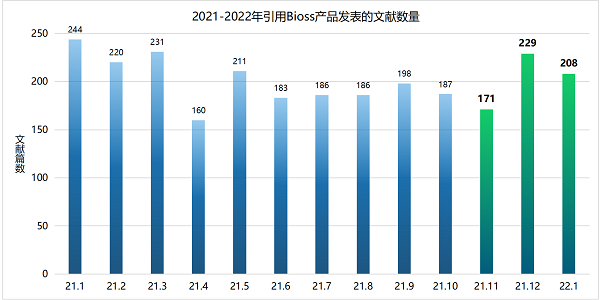
图一
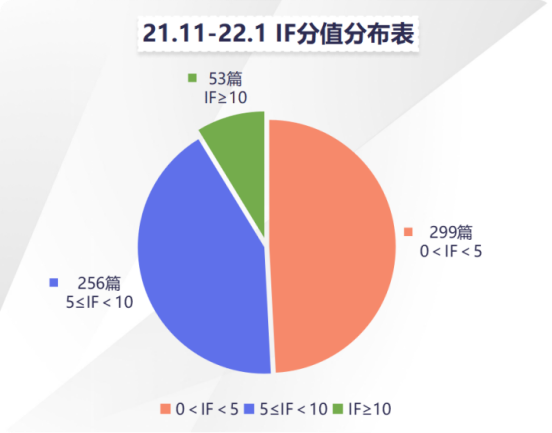
图二
本文分享来自 Nature Nanotechnology / Immunity / Cancer Cell 等期刊的7篇 IF>20的文献摘要,让我们一起欣赏这些文章吧。
文献 1
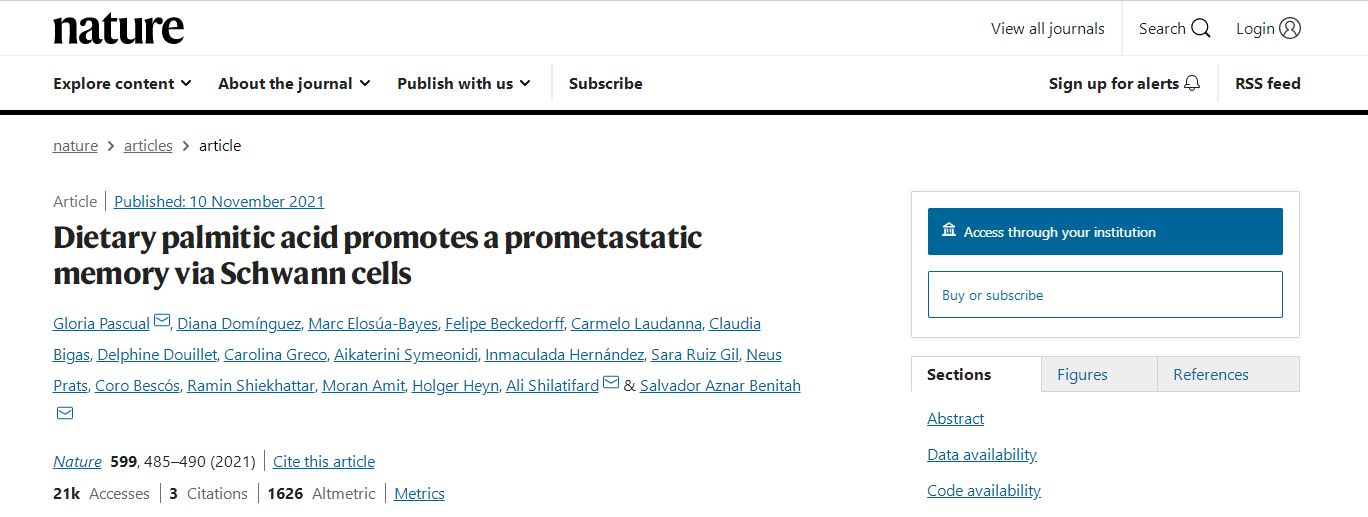
[IF=49.962] Nature
Pubmed ID :
34759321
文献引用抗体:
bs-2946R | Anti-HAS1 pAb | IF
Institution : 巴塞罗那科学技术学院生物医学研究所
摘要: Fatty acid uptake and altered metabolism constitute hallmarks of metastasis, yet evidence of the underlying biology, as well as whether all dietary fatty acids are prometastatic, is lacking. Here we show that dietary palmitic acid (PA), but not oleic acid or linoleic acid, promotes metastasis in oral carcinomas and melanoma in mice. Tumours from mice that were fed a short-term palm-oil-rich diet (PA), or tumour cells that were briefly exposed to PA in vitro, remained highly metastatic even after being serially transplanted (without further exposure to high levels of PA). This PA-induced prometastatic memory requires the fatty acid transporter CD36 and is associated with the stable deposition of histone H3 lysine 4 trimethylation by the methyltransferase Set1A (as part of the COMPASS complex (Set1A/COMPASS)). Bulk, single-cell and positional RNA-sequencing analyses indicate that genes with this prometastatic memory predominantly relate to a neural signature that stimulates intratumoural Schwann cells and innervation, two parameters that are strongly correlated with metastasis but are aetiologically poorly understood. Mechanistically, tumour-associated Schwann cells secrete a specialized proregenerative extracellular matrix, the ablation of which inhibits metastasis initiation. Both the PA-induced memory of this proneural signature and its long-term boost in metastasis require the transcription factor EGR2 and the glial-cell-stimulating peptide galanin. In summary, we provide evidence that a dietary metabolite induces stable transcriptional and chromatin changes that lead to a long-term stimulation of metastasis, and that this is related to a proregenerative state of tumour-activated Schwann cells.
文献 2
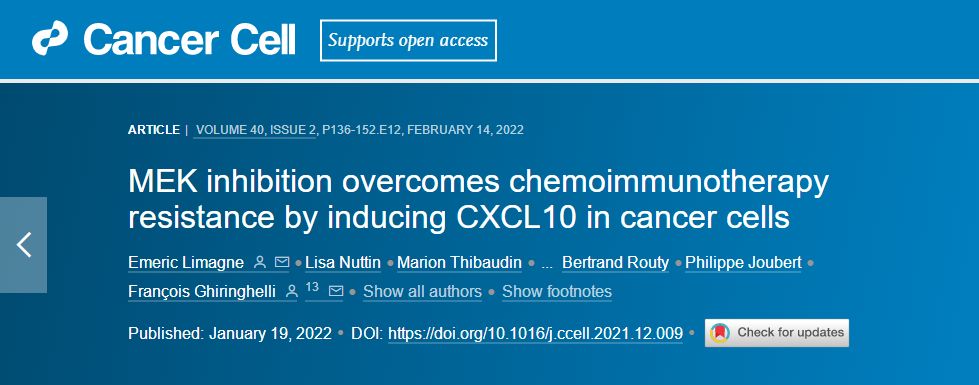
[IF=31.743] Cancer Cell
Pubmed ID :
34951957
文献引用抗体:
bs-6313R | Anti-4 Hydroxynonenal pAb | IF
Institution : 密歇根大学分子与综合生理学系
摘要:Microbial dysbiosis is a colorectal cancer (CRC) hallmark and contributes to inflammation, tumor growth, and therapy response. Gut microbes signal via metabolites, but how the metabolites impact CRC is largely unknown. We interrogated fecal metabolites associated with mouse models of colon tumorigenesis with varying mutational load. We find that microbial metabolites from healthy mice or humans are growth-repressive, and this response is attenuated in mice and patients with CRC. Microbial profiling reveals that Lactobacillus reuteri and its metabolite, reuterin, are downregulated in mouse and human CRC. Reuterin alters redox balance, and reduces proliferation and survival in colon cancer cells. Reuterin induces selective protein oxidation and inhibits ribosomal biogenesis and protein translation. Exogenous Lactobacillus reuteri restricts colon tumor growth, increases tumor reactive oxygen species, and decreases protein translation in vivo. Our findings indicate that a healthy microbiome and specifically, Lactobacillus reuteri, is protective against CRC through microbial metabolite exchange.
文献 3
[IF=31.743] Cancer Cell
Pubmed ID :
34719860
文献引用抗体:
bs-4963R-AF594 | Anti-C-Myc/AF594 pAb | IF
Institution : 法国勃艮第-弗朗什孔泰大学癌症生物学转移平台
摘要:Chemotherapy with anti PD-1/PD-L1 antibodies has become the standard of care for patients with metastatic non-small cell lung cancer (mNSCLC). Using lung tumor models, where pemetrexed and cisplatin (PEM/CDDP) chemotherapy remains unable to synergize with immune checkpoint inhibitors (ICIs), we linked the failure of this treatment with its inability to induce CXCL10 expression and CD8
+T cell recruitment. Using drug screening, we showed that combining a MEK inhibitor (MEKi) with PEM/CDDP triggers CXCL10 secretion by cancer cells and CD8
+T cell recruitment, sensitizing it to ICIs. PEM/CDDP plus a MEKi promotes optineurin (OPTN)-dependent mitophagy, resulting in CXCL10 production in a mitochondrial DNA- and TLR9-dependent manner. TLR9 or autophagy/mitophagy inhibition abolishes the anti-tumor efficacy of PEM/CDDP plus MEKi/anti-PD-L1 therapy. In human NSCLCs, high OPTN, TLR9, and CXCL10 expression is associated with a better response to ICIs. Our results underline the role of TLR9- and OPTN-dependent mitophagy in enhancing chemoimmunotherapy efficacy.
文献 4
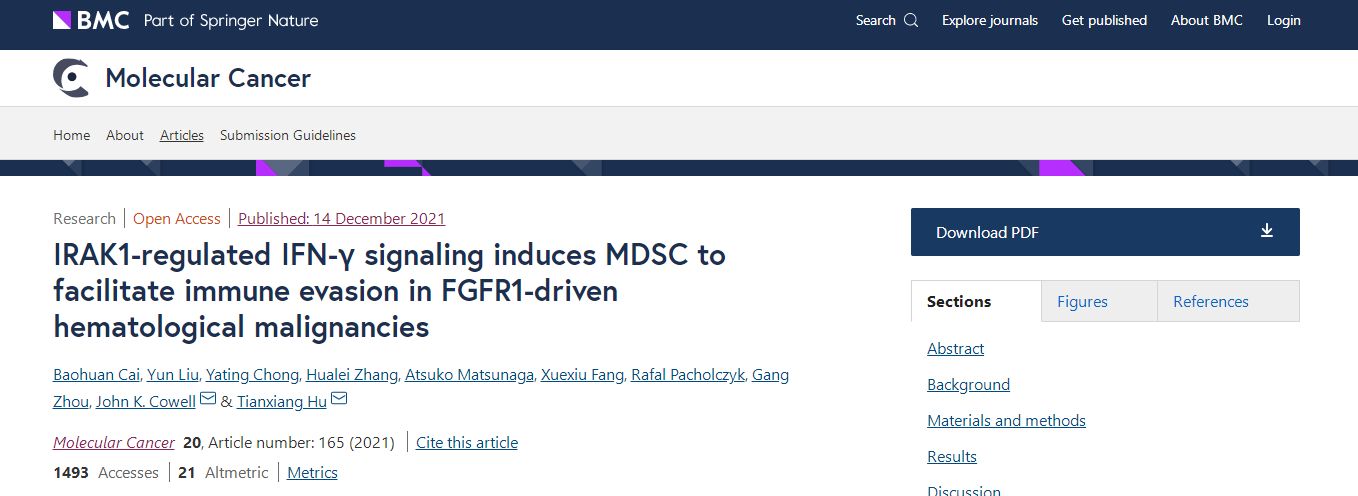
[IF=27.401] Molecular Cancer
Pubmed ID :
34906138
文献引用抗体:
bs-0938R-AF555 | Anti-NKG2D/AF555 pAb | FC
Institution : 美国奥古斯塔大学乔治亚癌症中心
摘要:Background
Stem Cell leukemia/lymphoma syndrome (SCLL) presents as a myeloproliferative disease which can progress to acute myeloid leukemia and is associated with the coincident development of B-cell and T-cell lymphomas. SCLL is driven by the constitutive activation of fibroblast growth factor receptor-1 (FGFR1) as a result of chromosome translocations with poor outcome. Mouse models have been developed which faithfully recapitulate the human disease and have been used to characterize the molecular genetic events that are associated with development and progression of the disease.
Methods
CRISPR/Cas9 approaches were used to generate SCLL cells null for Interleukin receptor associated kinase 1 (IRAK1) and interferon gamma (IFNG) which were introduced into syngeneic hosts through tail vein injection. Development of the disease and changes in immune cell composition and activity were monitored using flow cytometry. Bead-based immunoassays were used to compare the cytokine and chemokine profiles of control and knock out (KO) cells. Antibody mediated, targeted depletion of T cell and MDSCs were performed to evaluate their role in antitumor immune responses.
文献 5
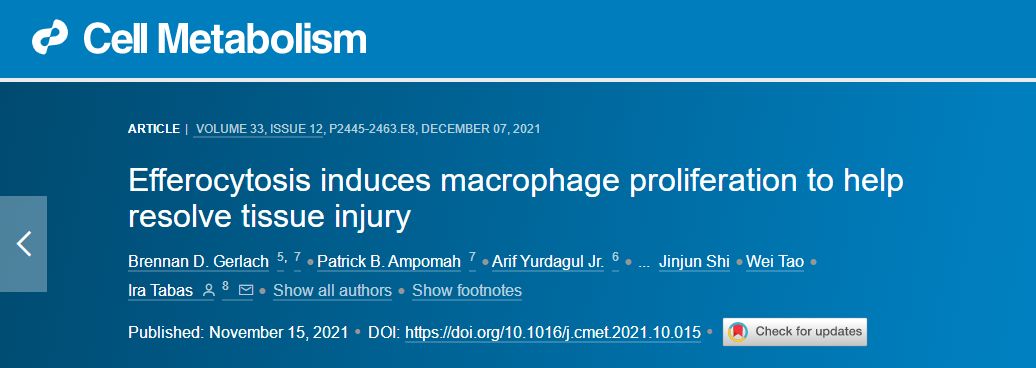
[IF=27.287] Cell Metabolism
Pubmed ID :
34784501
文献引用抗体:
bs-6505R | Rabbit Anti-ALOX15 pAb | IF,IHC
Institution : 美国哥伦比亚大学欧文医学中心医学系
摘要:Apoptotic cell clearance by macrophages (efferocytosis) promotes resolution signaling pathways, which can be triggered by molecules derived from the phagolysosomal degradation of apoptotic cells. We show here that nucleotides derived from the hydrolysis of apoptotic cell DNA by phagolysosomal DNase2a activate a DNA-PKcs-mTORC2/Rictor pathway that increases Myc to promote non-inflammatory macrophage proliferation. Efferocytosis-induced proliferation expands the pool of resolving macrophages in vitro and in mice, including zymosan-induced peritonitis, dexamethasone-induced thymocyte apoptosis, and atherosclerosis regression. In the dexamethasone-thymus model, hematopoietic Rictor deletion blocked efferocytosing macrophage proliferation, apoptotic cell clearance, and tissue resolution. In atherosclerosis regression, silencing macrophage Rictor or DNase2a blocked efferocyte proliferation, apoptotic cell clearance, and plaque stabilization. In view of previous work showing that other types of apoptotic cell cargo can promote resolution in individual efferocytosing macrophages, the findings here suggest that signaling-triggered apoptotic cell-derived nucleotides can amplify this benefit by increasing the number of these macrophages.
文献 6
[IF=25.606] Nature Immunology
Pubmed ID :
35102343
文献引用抗体:
bs-1880R | Anti-PTGEs/Prostaglandin E Synthase pAb | IF,FC
Institution : 美国纽约州威尔康奈尔医学院医学部胃肠病学部
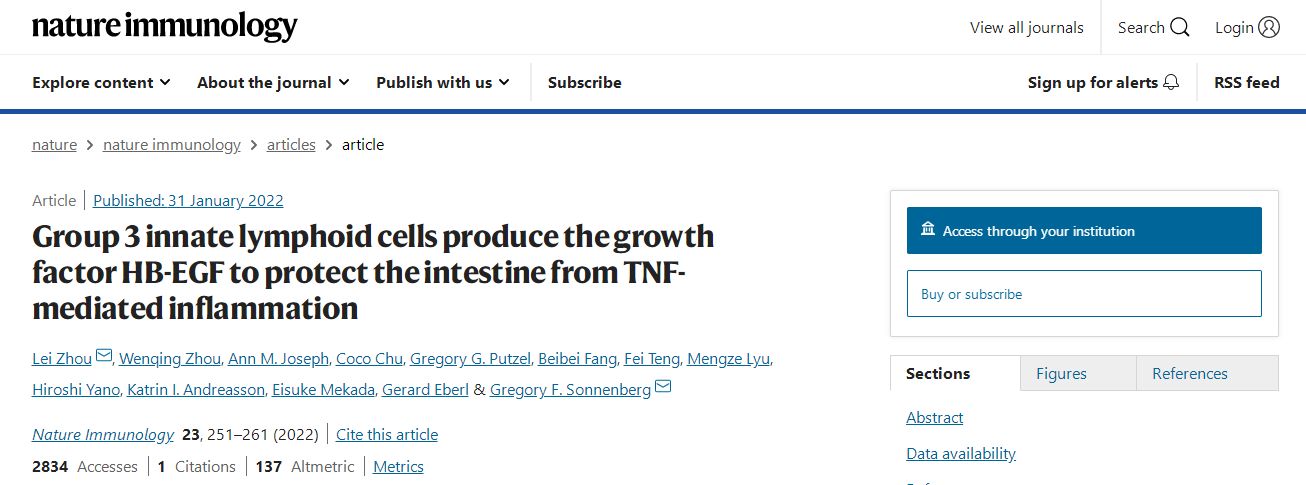
摘要:Tumor necrosis factor (TNF) drives chronic inflammation and cell death in the intestine, and blocking TNF is a therapeutic approach in inflammatory bowel disease (IBD). Despite this knowledge, the pathways that protect the intestine from TNF are incompletely understood. Here we demonstrate that group 3 innate lymphoid cells (ILC3s) protect the intestinal epithelium from TNF-induced cell death. This occurs independent of interleukin-22 (IL-22), and we identify that ILC3s are a dominant source of heparin-binding epidermal growth factor–like growth factor (HB-EGF). ILC3s produce HB-EGF in response to prostaglandin E2 (PGE2) and engagement of the EP2 receptor. Mice lacking ILC3-derived HB-EGF exhibit increased susceptibility to TNF-mediated epithelial cell death and experimental intestinal inflammation. Finally, human ILC3s produce HB-EGF and are reduced from the inflamed intestine. These results define an essential role for ILC3-derived HB-EGF in protecting the intestine from TNF and indicate that disruption of this pathway contributes to IBD.
文献 7
[IF=20.722] Nano Today
DOI :
10.1016/j.nantod.2021.101359
文献引用抗体:
D-9106 | DAPI | Other
Institution : 北京大学药学院分子药学与新药递送系统北京市重点实验室
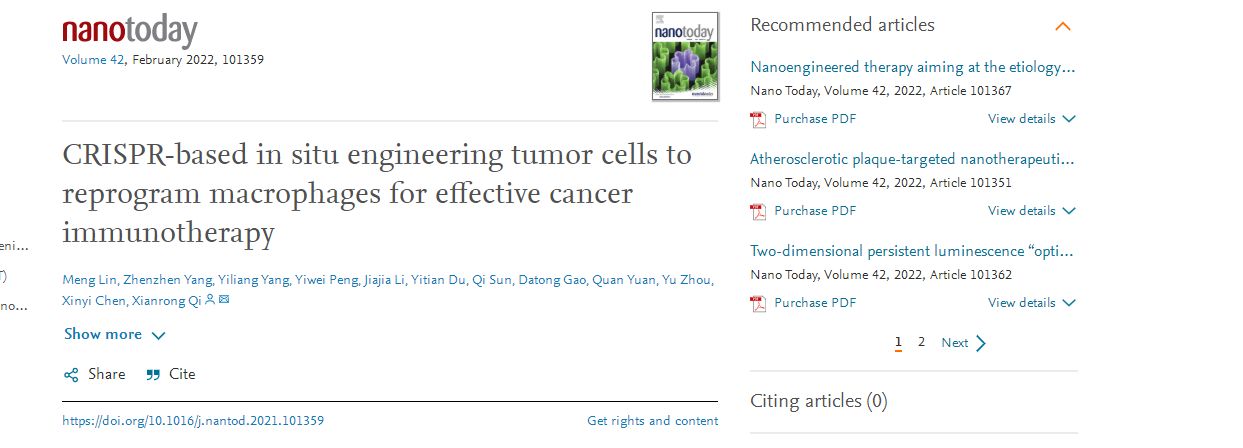
摘要:Tumor-associated macrophages (TAMs) are abundant in the tumor microenvironment and promote the tumor progression via multiple mechanisms. CD47 is overexpressed in most malignant tumors and acts as a “don’t eat me” signal to inhibit phagocytosis. We utilized CRISPR/Cas9 technology to knock out CD47 to guarantee the long-lasting anti-tumor immune responses. However, the reprogrammed TAMs are vulnerable to the inhibitory cytokines and tend to be transformed back into TAMs, and CD47 blockade alone may not be sufficient to elicit effective immune responses. We combined CD47 blockade with an immune-activating cytokine IL-12 for synergistic anti-tumor efficacy by genetically engineering the tumor cells into factories of IL-12 to in situ reprogram TAMs. Firstly, we designed a selective responsiveness accelerated gene delivery system named HPT-PFs that was dual modified with hyaluronic acid (HA) and tumor microenvironment sensitive peptides (TMSP) to simultaneously deliver plasmids for CD47 knockout and IL-12 production. Due to tumor-specific transfection and excellent endosome escape ability of HPT-PFs vector, more than 27% of tumor cells lost CD47 expression after HPT-PFs mediated gene editing, thus eliciting the phagocytosis by macrophages. And higher than 500 ng/ml of IL-12 was produced by tumor cells after HPT-PFs mediated pIL-12 expression, indicating the successful engineering of tumor cells into factories of IL-12. In melanoma-bearing mice models, drastic elevation of M1-polarized TAMs and secretion of inflammatory cytokines were observed when combined CD47 knockout with IL-12 production, which led to significant inhibition of tumor growth. Our study suggested that combination of CRISPR-mediated CD47 blockade with IL-12 production in tumor cells could synergistically promote macrophage-mediated immunotherapy, paving the way for CRISPR-based in situ engineering tumor cells for effective immunotherapy.
※ 点击这里查看往期单月Bioss抗体产品文献引用列表
Bioss 正在进行的促销活动
► 抗体促销一 | 为科研助力, 购Bioss抗体,得丰厚“奖学金”!
► 抗体促销二 | 订购一抗(含内参、标签)、标记一抗,送实验辅助试剂!
► 常用试剂促销一 | 68款明星产品多买多赠!犹豫就会败北,不买就会后悔!
► 常用试剂促销二 | 买全线常用试剂,送卡,海量礼品尽你挑!